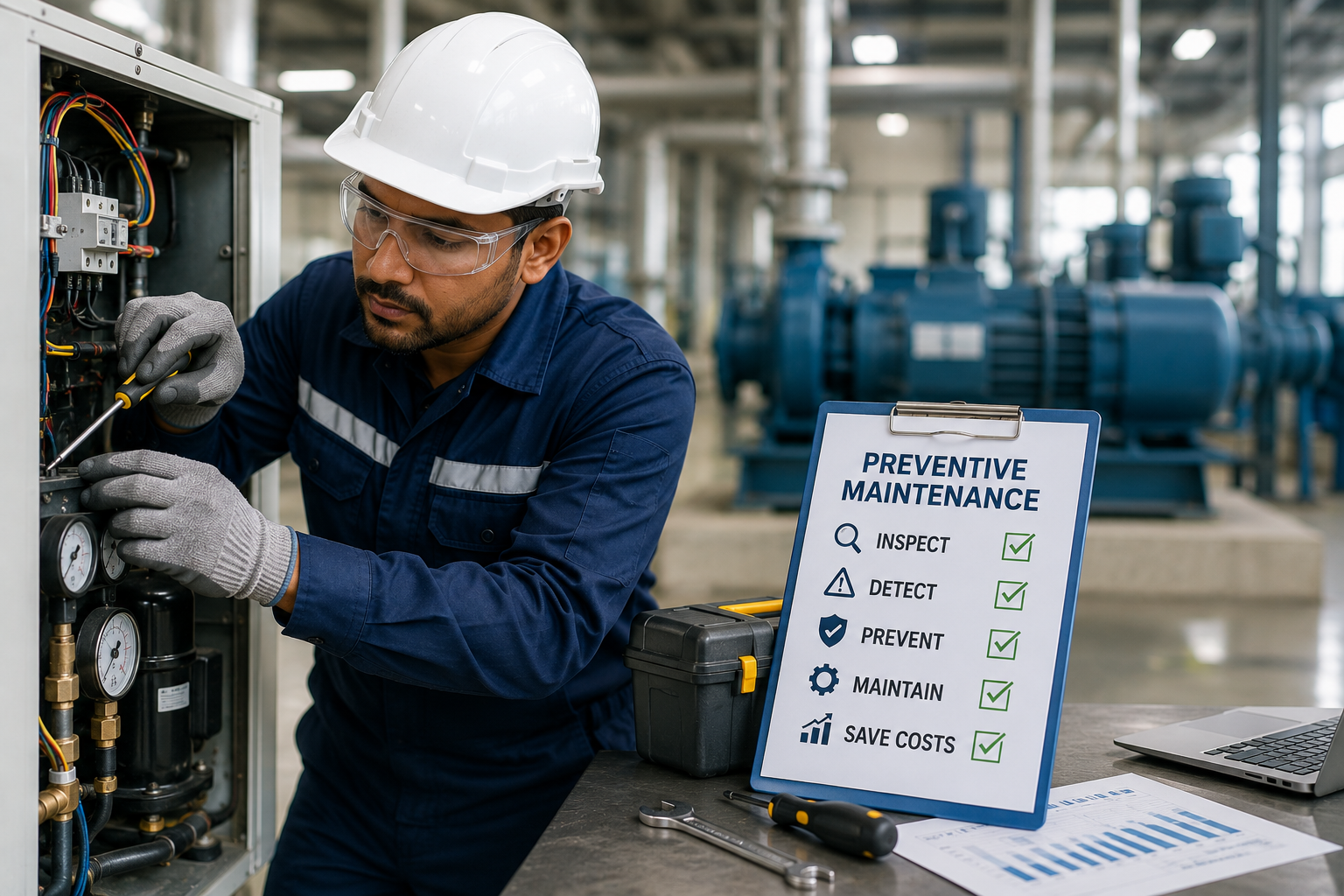
For every business, unexpected equipment breakdowns and facility problems can become expensive disruptions. A faulty air-conditioning system, electrical issue, plumbing failure, damaged equipment, or malfunctioning facility system can interrupt daily operations and create costs that are often much higher than the original maintenance requirement.
This is why Preventive Maintenance Services are becoming an important part of modern facility and business management.
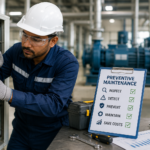
Instead of waiting for equipment or building systems to fail, preventive maintenance focuses on regular inspections, servicing, cleaning, testing, adjustments, and timely replacement of components. The objective is to identify potential problems early and address them before they become major failures.
For offices, factories, warehouses, hospitals, hotels, shopping malls, residential societies, and commercial properties, preventive maintenance can help reduce avoidable repairs, improve equipment reliability, protect assets, and maintain smoother operations.
At Heavens Solutions, our professional Maintenance Services help businesses maintain their facilities through planned, reliable, and responsive maintenance support.
What Is Preventive Maintenance?
Preventive maintenance is a proactive approach to maintaining equipment, machinery, buildings, and facility systems.
Instead of waiting for something to stop working, maintenance teams inspect and service assets according to a planned schedule.
Depending on the type of facility, preventive maintenance may include:
- Routine equipment inspections
- Electrical system checks
- HVAC servicing
- Plumbing inspections
- Equipment lubrication
- Filter replacement
- Component inspection
- Cleaning and adjustment
- Safety checks
- Minor repairs
- Preventive servicing
- Maintenance documentation
The fundamental idea is simple:
Identify potential problems early instead of waiting for expensive failures.
Preventive Maintenance vs. Reactive Maintenance
Understanding the difference between preventive and reactive maintenance helps businesses make better maintenance decisions.
Reactive Maintenance
Reactive maintenance takes place after equipment or a facility system has already failed.
For example, an office air-conditioning unit suddenly stops working during working hours. A technician is then called to diagnose and repair the problem.
Reactive maintenance may be necessary when unexpected failures occur, but depending entirely on this approach can lead to unpredictable costs and operational disruption.
Preventive Maintenance
Preventive maintenance is planned in advance.
For example, an HVAC system may be inspected and serviced regularly, filters may be replaced, and potential component issues may be identified before the system experiences a major failure.
The goal is not to eliminate every possible breakdown. Instead, it is to reduce avoidable failures and make maintenance more predictable.
1. Reduces Unexpected Repair Costs
One of the biggest benefits of preventive maintenance is early problem detection.
A small defect can often be corrected before it affects other components.
For example:
- A worn belt can be replaced before it damages a machine.
- A small electrical fault can be corrected before it causes equipment failure.
- A minor plumbing leak can be repaired before it causes extensive water damage.
- An HVAC issue can be addressed before the entire system stops functioning.
By addressing problems early, businesses can potentially avoid larger repair requirements.
2. Minimizes Business Downtime
Downtime can have a direct impact on business productivity.
When essential systems stop functioning, employees may be unable to work normally, production may slow down, customers may experience delays, and business operations may be interrupted.
Preventive maintenance allows organizations to schedule inspections and servicing at suitable times.
For example, maintenance can often be planned:
- After business hours
- During weekends
- During planned shutdowns
- During low-activity periods
This can reduce the likelihood of unexpected failures during critical operating hours.
3. Extends Equipment Lifespan
Business equipment is a significant investment.
HVAC systems, generators, pumps, machinery, electrical systems, elevators, and other assets require regular attention to operate effectively.
When equipment is neglected, wear and tear can accelerate.
Regular inspection and servicing can help identify abnormal conditions and keep equipment operating within appropriate conditions.
This may help businesses extend the useful life of their assets and delay unnecessary replacement.
4. Improves Operational Efficiency
Poorly maintained equipment may not operate at its expected performance level.
For example, an HVAC system with clogged filters or neglected components may struggle to provide effective cooling. Similarly, machinery with worn components may operate less efficiently.
Routine maintenance helps identify conditions that may affect performance.
Better-maintained equipment can contribute to:
- More reliable operation
- Better performance
- Fewer interruptions
- More consistent output
- Improved facility efficiency
5. Helps Prevent Major Equipment Failures
Equipment often provides warning signs before a serious failure occurs.
These signs may include:
- Unusual sounds
- Excessive vibration
- Overheating
- Leakage
- Reduced performance
- Loose components
- Unusual electrical behavior
- Increased energy consumption
Regular inspections give maintenance professionals an opportunity to identify such conditions.
Addressing warning signs early can reduce the likelihood of a larger failure.
6. Improves Workplace Safety
Facility maintenance is directly connected with workplace safety.
Faulty electrical systems, damaged fixtures, leaking pipes, malfunctioning equipment, or poorly maintained infrastructure can create risks for employees and visitors.
Regular maintenance inspections help identify potentially unsafe conditions.
A professional maintenance program can therefore support both:
Asset reliability + Workplace safety
7. Protects Valuable Business Assets
Businesses depend on physical infrastructure to operate.
These assets may include:
- Office equipment
- Electrical systems
- HVAC units
- Generators
- Pumps
- Machinery
- Plumbing infrastructure
- Lighting systems
- Building fixtures
- Warehouse equipment
Regular maintenance helps businesses protect these investments and keep them functional for longer.
8. Makes Maintenance Costs More Predictable
Emergency maintenance can be difficult to budget because the timing and severity of the problem are unknown.
Preventive maintenance creates a more structured approach.
Businesses can plan for:
- Routine inspections
- Scheduled servicing
- Component replacement
- Seasonal maintenance
- Minor repairs
- Equipment servicing
This gives management greater visibility into upcoming maintenance requirements and helps with budget planning.
9. Reduces Emergency Repair Requirements
Emergency repairs can be challenging because they require immediate action.
Depending on the situation, businesses may need:
- Emergency technicians
- Replacement parts
- Additional manpower
- Temporary equipment
- Urgent transportation
- After-hours service
Preventive maintenance cannot prevent every emergency, but it can reduce the likelihood of failures caused by known or detectable maintenance issues.
10. Supports Business Continuity
Business continuity depends partly on reliable infrastructure.
A failure in an important facility system can affect multiple departments.
For example, a major electrical issue may interrupt office systems, while a serious plumbing problem may make part of a commercial building unusable.
Preventive maintenance helps organizations identify vulnerabilities and address them before they become major operational problems.
11. Improves Facility Management
Modern facility management requires more than responding to complaints.
An effective maintenance strategy involves:
- Identifying important assets
- Understanding maintenance requirements
- Creating inspection schedules
- Recording maintenance activities
- Monitoring recurring problems
- Planning repairs
- Reviewing equipment performance
This structured approach helps facility managers maintain better control over building operations.
12. Helps Identify Recurring Problems
Maintenance records can reveal patterns over time.
If the same equipment repeatedly develops problems, it may indicate:
- Aging components
- Poor operating conditions
- Incorrect usage
- Inadequate servicing
- Installation issues
- Equipment approaching the end of its useful life
Identifying these patterns helps businesses make more informed decisions about repair or replacement.
13. Supports Seasonal Maintenance
Different seasons can create different maintenance requirements.
Summer Maintenance
Businesses may need greater attention to:
- Air-conditioning systems
- Cooling equipment
- Ventilation
- Electrical load
- Water systems
Monsoon Maintenance
Important areas may include:
- Drainage
- Plumbing
- Water leakage
- Waterproofing
- Electrical safety
Winter Maintenance
Depending on the facility, attention may be required for:
- Heating systems
- Electrical equipment
- Water systems
- Building insulation
Seasonal preventive maintenance helps facilities prepare for changing operating conditions.
14. Protects Employee Productivity
Facility problems can become workplace distractions.
Employees may struggle to work efficiently when:
- Office temperatures are uncomfortable
- Equipment repeatedly fails
- Lighting systems malfunction
- Plumbing problems affect facilities
- Building systems remain unreliable
Maintaining essential infrastructure helps create a more functional workplace where employees can focus on their responsibilities.
15. Improves Customer and Visitor Experience
For customer-facing businesses, facility condition directly influences visitor perception.
A poorly maintained commercial property can create an impression of neglect.
Regular maintenance helps businesses maintain:
- Functional lighting
- Comfortable indoor temperatures
- Clean and operational facilities
- Reliable elevators
- Well-maintained common areas
- Proper plumbing systems
A well-maintained facility communicates professionalism.
16. Reduces Long-Term Replacement Costs
Replacing major equipment can be significantly more expensive than maintaining it properly.
Preventive maintenance helps businesses monitor asset condition and address issues during the equipment’s useful life.
While replacement will eventually be necessary for aging assets, proper maintenance can help organizations avoid premature replacement caused by preventable neglect.
17. Helps Businesses Plan Better
Preventive maintenance provides businesses with useful information about their assets.
Maintenance records can help management understand:
- Which equipment requires frequent repairs
- Which assets are aging
- Which systems need replacement planning
- Which problems occur repeatedly
- Which maintenance activities are most important
This supports better long-term asset management.
What Should a Preventive Maintenance Plan Include?
A practical Preventive Maintenance Plan should be customized to the facility.
It can include:
Asset Inventory
Identify important equipment and facility systems.
Inspection Schedule
Determine how frequently each asset should be inspected.
Maintenance Tasks
Define the specific servicing, testing, cleaning, and inspection requirements.
Maintenance Records
Document completed work, problems identified, and components replaced.
Priority Levels
Classify assets according to their importance and potential impact on operations.
Review Process
Regularly evaluate the maintenance program and make adjustments where necessary.
Common Areas Covered by Preventive Maintenance
Depending on the property, preventive maintenance may cover:
- Electrical systems
- HVAC systems
- Plumbing
- Generators
- Pumps
- Elevators
- Lighting
- Building fixtures
- Machinery
- Water systems
- Fire and safety equipment
- Doors and windows
- Common areas
The exact maintenance schedule should depend on the asset type, manufacturer recommendations, usage, environment, and site requirements.
Which Businesses Need Preventive Maintenance Services?
Almost every organization operating a physical facility can benefit from planned maintenance.
These include:
- Corporate Offices
- IT Parks
- Manufacturing Units
- Warehouses
- Hospitals
- Hotels
- Shopping Malls
- Schools and Colleges
- Residential Societies
- Retail Stores
- Commercial Buildings
- Industrial Facilities
- Government Buildings
The maintenance strategy should be customized according to the size and operational requirements of each facility.
Why Choose Heavens Solutions?
At Heavens Solutions, we understand that reliable maintenance is essential for keeping commercial and business facilities functional, safe, and efficient.
Our Maintenance Services can support organizations with:
- Preventive Maintenance
- Building Maintenance
- Electrical Maintenance
- Plumbing Maintenance
- Equipment Maintenance
- HVAC Maintenance Support
- Routine Inspections
- General Facility Maintenance
- Commercial Property Maintenance
- Industrial Maintenance Support
Our focus is on dependable manpower, timely service, proper maintenance practices, and consistent quality.
Service. Quality. Trust.
These principles guide our approach to facility maintenance and customer service.
Frequently Asked Questions
What is preventive maintenance?
Preventive maintenance is a planned approach to inspecting, servicing, and maintaining equipment and facilities before major failures occur.
How does preventive maintenance save business costs?
It can help identify problems early, reduce unexpected breakdowns, minimize downtime, extend equipment life, and make maintenance expenses more predictable.
How often should preventive maintenance be performed?
There is no single schedule for every facility. Maintenance frequency depends on equipment type, usage, manufacturer recommendations, operating conditions, age, and site requirements.
Is preventive maintenance better than reactive maintenance?
For many routine maintenance needs, a preventive approach can provide greater predictability and reduce avoidable failures. However, reactive repairs are still necessary when unexpected problems occur.
Can preventive maintenance eliminate equipment breakdowns?
No. Preventive maintenance can reduce the likelihood of certain failures, but it cannot guarantee that equipment will never break down.
Is preventive maintenance useful for small businesses?
Yes. Small businesses also rely on electrical systems, HVAC, plumbing, equipment, and building infrastructure. Planned maintenance can help them reduce disruptions and manage maintenance expenses more effectively.
Conclusion
Preventive maintenance is not simply about repairing equipment before it breaks. It is a proactive business strategy that helps organizations protect assets, reduce avoidable downtime, improve workplace safety, and manage maintenance costs more effectively.
Regular inspections and planned servicing can identify potential problems before they become major failures. Over time, this approach can contribute to longer equipment life, more predictable maintenance spending, smoother operations, and better facility performance.
For businesses managing offices, factories, warehouses, hospitals, commercial buildings, or residential facilities, professional Preventive Maintenance Services can become an important part of long-term facility management.
Heavens Solutions provides dependable Maintenance Services tailored to the operational requirements of modern businesses.
Contact Heavens Solutions today to discuss your preventive maintenance and facility maintenance requirements.